Crane Operator Certification & Training in Savannah, GA
Paradise Crane has trained crane operators since 1996, for clients including the U.S. Department of Energy, Sandia National Laboratories and Los Alamos National Laboratory. We're based in Albuquerque and bring NCCER crane and rigging training to your crew, on the equipment you actually run. Individual operators can prepare for NCCER certification in our open-enrollment classes in Albuquerque.
Savannah's Ocean Terminal received four electric ship-to-shore cranes on January 25, 2025, during a terminal renovation at the Port of Savannah.
This page covers Savannah's Right-of-Way Permit, the code section tied to street obstructions, what to confirm with the city, and what port and industrial work means for how your lifting crews are qualified.

Training Services Offered in Savannah
Based in Albuquerque, our instructors travel to you. Train at your own facility, or we'll arrange a rented site nearby. Either way, your crew trains on the crane they actually run.
On-Site Training
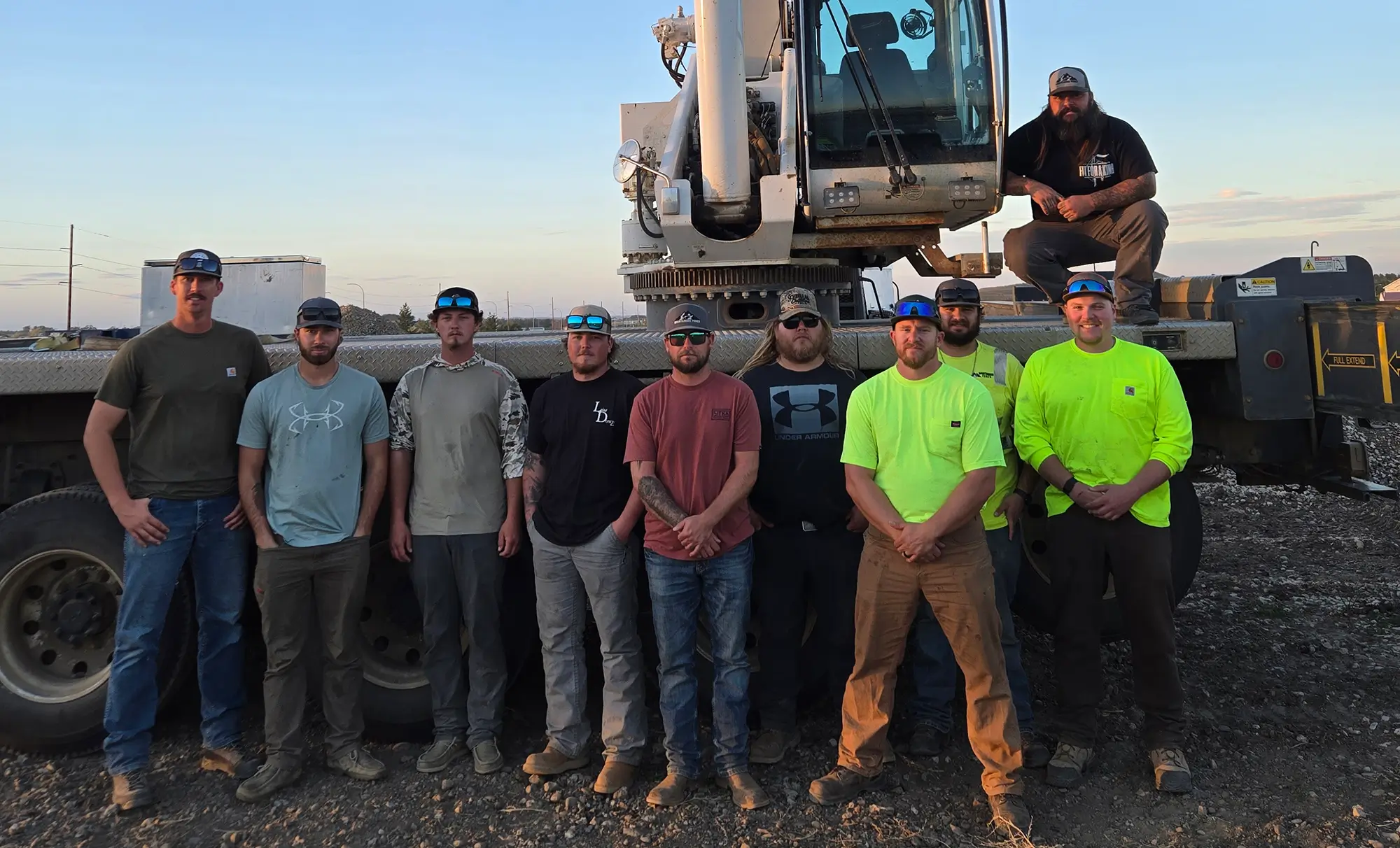
On‑site training is designed for companies that have the facilities and equipment available at their own location and prefer to keep their employees onsite for logistical or operational reasons. All on‑site training requires the company to provide the crane or equipment that will be used during the training and evaluations.
Off-Site Training
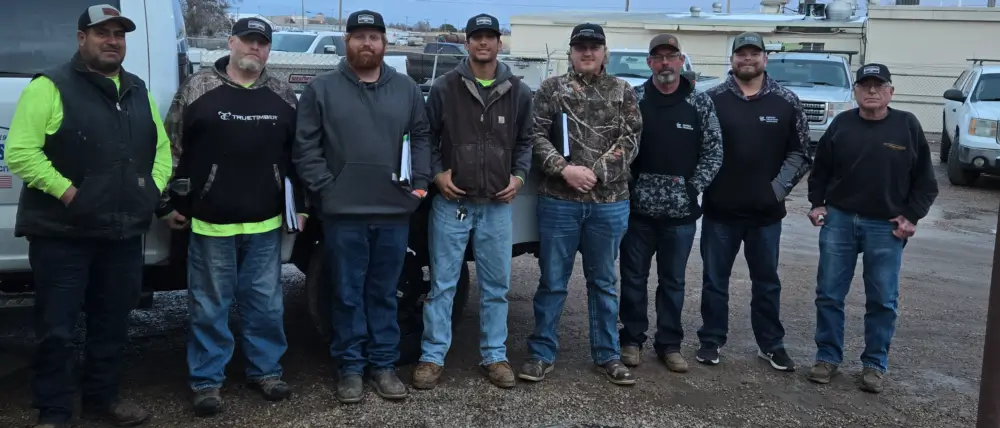
Off‑site training is intended for customers who do not have the facilities or space to conduct training at their own location. Paradise Crane Consultants will arrange a suitable rented facility; however, the company must still provide the crane or equipment needed for the training and evaluations.
Local permitting and municipal requirements
Savannah requires a Right-of-Way Permit for construction work in City right-of-way. City Code, Chapter 4, Streets and Sidewalks, includes Sec. 4-1020, “Obstructions generally.” Confirm with the city which code section supports the permit requirement.
The city calls for advance notice for certain closures. Confirm which closures apply and how much notice you need before you mobilize. Confirm with the city how a crane setup is treated under the permit, and whether flaggers or other traffic control are required.
Confirm insurance requirements, the administering department and current fees with the city before you apply.
Local industry and employment
Chatham County carries 172,740 covered jobs with average annual pay of $64,451 (BLS QCEW, 2025 annual average). Manufacturing accounts for 20,089 of them (11.6%) and transportation and warehousing for 17,536 (10.2%). Construction adds 7,637 (4.4%), with average annual pay of $76,992.
The port drives the lift-work story. On January 25, 2025, four electric ship-to-shore cranes arrived at Ocean Terminal during a terminal renovation, according to the Georgia Ports Authority. On March 26, 2024, the Authority approved $65.6 million in Ocean Terminal container-yard work, including earth compaction, removal of a former bridge pier and preliminary utility installation behind the wharf.
Port construction, manufacturing and warehousing all put lifting crews to work around heavy equipment. If your crews work in these settings, qualify every role on the lift, not just the operator.
Does Georgia have its own crane rules, or does federal OSHA apply directly?
Georgia does not run its own occupational safety program for crane work. It is not an OSHA-approved State Plan, and federal OSHA has direct jurisdiction over most private-sector employers and workers. State and local government workers are not covered by federal OSHA.
The construction crane rule in Georgia is 29 CFR Part 1926, Subpart CC, Cranes and Derricks in Construction, with scope set at 29 CFR 1926.1400. Because Georgia has no State Plan, the federal standard applies directly to private-sector construction. To reach the right enforcement contact, use federal OSHA's Georgia office page, which lists the Atlanta East, Atlanta West, and Savannah Area Offices and maps county coverage.
29 CFR 1926 Subpart CC; 29 CFR 1926.1400; 29 CFR 1926.1427
Is NCCER certification enough on its own?
Georgia operators are held to the federal certification baseline. Confirm with federal OSHA and your local authorities whether any state or local license or registration applies to your work. That does not rule out a local or project-specific credential, so confirm with federal OSHA's Georgia area office, and with the project owner or local authority, before mobilizing.
The federal baseline is 29 CFR 1926.1427. Operators must be certified by an accredited testing organization or an audited employer program. The federal text does not name a particular certifying organization. Certification is valid for five years, and the employer pays for it.
Certification does not finish the job. Before an operator runs a crane unsupervised, the employer must evaluate the operator on the assigned equipment and document that evaluation.
What does the workplace safety data show?
The U.S. Bureau of Labor Statistics Census of Fatal Occupational Injuries (CFOI) puts Georgia's fatal work injury rate at 3.4 per 100,000 full-time-equivalent workers in 2024, down from 4.0 in 2023.
These figures cover all industries, not cranes specifically.
What should you verify before your next lift?
Before your next covered lift in Georgia, work through these checks:
- Confirm jurisdiction first. Federal OSHA covers most private-sector work in Georgia, but state and local government workers are not covered by federal OSHA.
- Check the scope and exclusions of 29 CFR 1926.1400 against your equipment and the work being performed.
- Identify the federal OSHA area office serving your worksite (Atlanta East, Atlanta West, or Savannah) on OSHA's Georgia office page.
- Confirm each operator's certification is current and issued by an accredited testing organization or an audited employer program.
- Confirm the documented employer evaluation for the specific equipment is available at the worksite.
- Ask the project owner or local authority whether any local or project-specific credential applies.
Upcoming certification and training sessions dates
Questions
Which Savannah permit applies to a crane working in the street?
Savannah requires a Right-of-Way Permit for construction work in City right-of-way. Confirm with the city how a crane setup is handled under that permit.
What insurance and traffic control does a Savannah right-of-way crane setup need?
Confirm both with the city before you apply. Advance notice to the City applies to certain closures, so confirm which closures and how much notice.
How do I set up on-site crane training for my crew?
Request a quote with your crew size, location and the equipment you run. Our instructors travel to your facility, and your company provides the crane or equipment used for training and evaluations.
What if we don't have a place to train?
We'll arrange a suitable rented facility near you. Your company still provides the crane or equipment used for training and evaluations.
How far ahead should we book training?
About a month ahead is best. If you need training sooner, call us. Shorter timelines are sometimes possible.
How is crane training priced?
Each job is quoted on crew size, location, equipment and travel.
Can operators get certified online?
No. Certification requires a hands-on practical exam on real equipment, so it can't be earned through online training. That's why we train at your site, on the equipment your crew actually runs.
Can an individual operator train without an employer?
Yes. Open-enrollment classes in Albuquerque prepare individual operators for NCCER certification.
Ready to schedule training in Savannah?
Request on-site crane training in Savannah, built around your crew, your equipment and your site.