Crane Operator Certification & Training in Cleveland, OH
Paradise Crane has trained crane operators since 1996, for clients including the U.S. Department of Energy, Sandia National Laboratories and Los Alamos National Laboratory. We're based in Albuquerque and bring NCCER crane and rigging training to your crew, on the equipment you actually run. Individual operators can prepare for NCCER certification in our open-enrollment classes in Albuquerque.
Paradise Crane also brings that training to Cleveland. Our instructors come to your facility or job site and build the course around your organization: your crew, your cranes and the lifts you actually make.
Before we train a crew in Cleveland, we look at the city's own rules for crane work: its codes, its right-of-way permits and the conditions they put on a lift. This page covers the Street Obstruction Permit Cleveland requires for a crane or support equipment in the right-of-way, what it costs, and what street-level lift work means for how your lifting crews are qualified.

Training Services Offered in Cleveland
Based in Albuquerque, our instructors travel to you. Train at your own facility, or we'll arrange a rented site nearby. Either way, your crew trains on the crane they actually run.
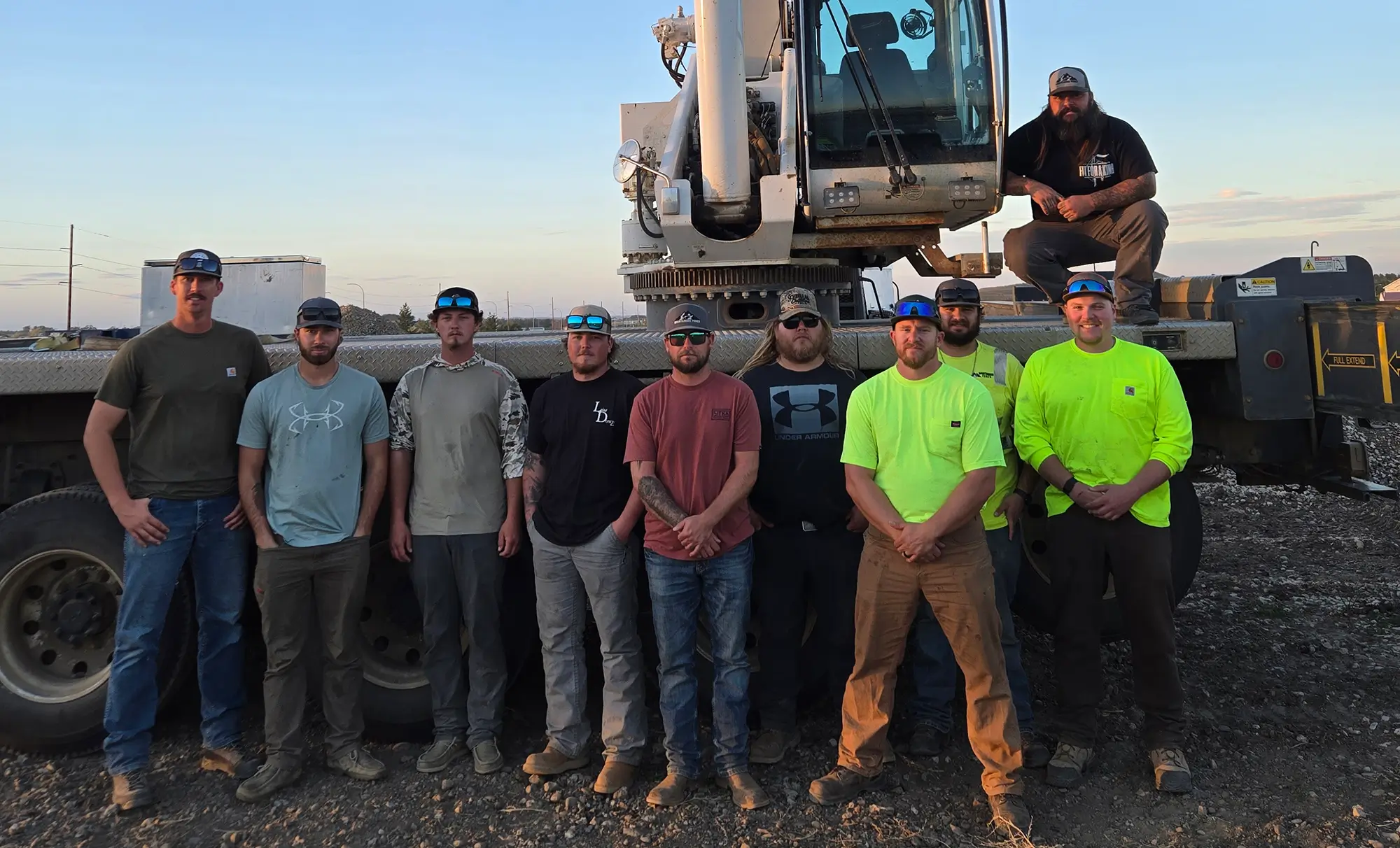
On-Site Training
On‑site training is designed for companies that have the facilities and equipment available at their own location and prefer to keep their employees onsite for logistical or operational reasons. All on‑site training requires the company to provide the crane or equipment that will be used during the training and evaluations.
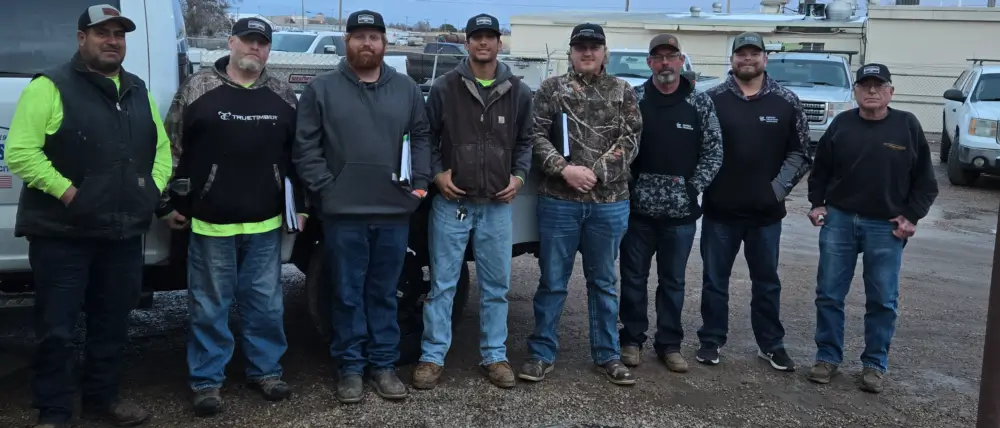
Off-Site Training
Off‑site training is intended for customers who do not have the facilities or space to conduct training at their own location. Paradise Crane Consultants will arrange a suitable rented facility; however, the company must still provide the crane or equipment needed for the training and evaluations.
Local permitting and municipal requirements
Cleveland requires a Street Obstruction Permit for any obstruction within the right-of-way, including a crane or support equipment placed there. It is distinct from a Street Opening Permit, which authorizes excavation. The Director of Capital Projects is the named issuer. The ROW Permitting and Enforcement Section, Division of Engineering and Construction, issues ROW permits. Under § 411.011, work regulated by Chapter 3115 needs a traffic and pedestrian maintenance plan.
Fees are charged per 20 linear feet, weekly for up to four weeks, then monthly. In the Central Business District, a partial street obstruction runs $50 per week, then $190 per month. An entire street obstruction runs $100 per week, then $380 per month. In Other Commercial areas, a partial street obstruction is $25 per week, then $85 per month. Confirm current fees with the city.
The $200,000 minimum insurance in the City's 2026 materials applies to annual ROW Contractor Registration, not to the obstruction permit. Weekday traffic-blocking limits of 7:00–9:00 a.m. and 3:30–6:00 p.m. are Street Opening Permit conditions. Do not assume they govern every obstruction. Confirm application lead times, traffic control and work-hour limits for your lift with Engineering and Construction.
Local industry and employment
Cuyahoga County carried 692,694 covered jobs in the BLS QCEW 2025 annual average, with average annual pay of $77,273. Manufacturing accounted for 63,799 of those jobs and construction for 23,590. Transportation and warehousing added 30,840.
Cleveland's lift work reaches the street. The City announced that on July 27, 2024, Warren Roofing would use a crane to remove and lower large portions of granite façade from Cleveland City Hall's roof to street level. The advisory described a western-drive and surface-garage closure for that date.
A lift that lowers heavy stone to street level puts the crane, the load and the public in the same space. That is where signaling, rigging and operator discipline get tested.
If your crews work over or beside Cleveland streets, qualify every role on the lift, not just the operator.
Does Ohio add its own crane operator certification requirements beyond federal OSHA?
In Ohio, the crane operator certification rule that applies to you is the federal one. Federal OSHA area offices cover private-sector employers and workers in the state, and 29 CFR 1926 Subpart CC is the federal construction crane standard. Operator certification is governed by 29 CFR 1926.1427.
Under 29 CFR 1926.1427(d), the testing organization must be accredited by a nationally recognized accrediting agency and must administer written and practical tests. That provision does not name a commercial certification brand. For Ohio-specific construction rule text, employers can consult the Ohio Administrative Code, including rule 4123:1-3-07. The Ohio BWC Division of Safety and Hygiene maintains and updates Ohio's specific safety rules.
29 CFR 1926 Subpart CC; 29 CFR 1926.1427(d); Ohio Administrative Code rule 4123:1-3-07
Is NCCER certification enough on its own?
The Ohio construction crane rule we reference states no operator certification, qualification or experience requirement beyond the federal baseline. No Ohio-specific certifying organization is named. Confirm with the Ohio BWC Division of Safety and Hygiene whether any local or project-specific requirement applies to your work.
Federal rules require the testing organization to be accredited by a nationally recognized accrediting agency. Confirm with your employer and the licensing agency which certifications they accept. Under 29 CFR 1926.1427, operators must be certified by an accredited testing organization or an audited employer program. Certification is valid for five years, and the employer pays for it. Before an operator runs a crane unsupervised, the employer must evaluate the operator on the assigned equipment and document it.
What does the workplace safety data show?
The U.S. Bureau of Labor Statistics Census of Fatal Occupational Injuries puts Ohio's fatal work injury rate at 3.2 per 100,000 full-time-equivalent workers in 2024, up from 3.1 in 2023. These figures cover all industries, not cranes specifically.
What should you verify before your next lift?
Before your next covered lift in Ohio, work through these checks:
- Confirm federal OSHA coverage for your workforce through the OSHA Ohio Area Offices page.
- Review the Ohio Administrative Code construction rule text, including rule 4123:1-3-07, and check with the Ohio BWC Division of Safety and Hygiene for Ohio-specific safety rules.
- Confirm with the local jurisdiction and the project owner whether any local or project-specific operator requirement applies.
- Confirm each operator's certification is current, comes from a testing organization accredited by a nationally recognized accrediting agency, and covers the equipment type.
- Keep the documented employer evaluation for each operator on the assigned equipment available at the worksite.
Upcoming certification and training sessions dates
Questions
Which Cleveland permit covers a crane in the street?
The Street Obstruction Permit, which the city requires for any obstruction within the right-of-way, including a crane or support equipment placed there. Apply through the Cleveland Permit Portal. Drawings are required before you submit, and street-closing applications need a detailed traffic plan. Confirm with Engineering and Construction whether your lift needs anything beyond the obstruction permit.
What does a Cleveland obstruction permit cost?
Fees are charged per 20 linear feet and depend on district, sidewalk or street, partial or entire obstruction, and duration. In the Central Business District, an entire street obstruction is $100 per week for up to four weeks, then $380 per month. In Other Commercial areas, it is $50 per week, then $190 per month. Confirm current fees with the city.
How do I set up on-site crane training for my crew?
Request a quote with your crew size, location and the equipment you run. Our instructors travel to your facility, and your company provides the crane or equipment used for training and evaluations.
What if we don't have a place to train?
We'll arrange a suitable rented facility near you. Your company still provides the crane or equipment used for training and evaluations.
How far ahead should we book training?
About a month ahead is best. If you need training sooner, call us. Shorter timelines are sometimes possible.
How is crane training priced?
Each job is quoted on crew size, location, equipment and travel.
Can operators get certified online?
No. Certification requires a hands-on practical exam on real equipment, so it can't be earned through online training. That's why we train at your site, on the equipment your crew actually runs.
Can an individual operator train without an employer?
Yes. Open-enrollment classes in Albuquerque prepare individual operators for NCCER certification.
Ready to schedule training in Cleveland?
Request on-site crane training in Cleveland, built around your crew, your equipment and your site.