Crane Operator Certification & Training in Oklahoma City, OK
Paradise Crane has trained crane operators since 1996, for clients including the U.S. Department of Energy, Sandia National Laboratories and Los Alamos National Laboratory. We're based in Albuquerque and bring NCCER crane and rigging training to your crew, on the equipment you actually run. Individual operators can prepare for NCCER certification in our open-enrollment classes in Albuquerque.
Oklahoma City has two ODOT interstate bridge projects on the calendar: the I-35/I-240 interchange in the south and I-40 at MacArthur Boulevard and Meridian Avenue.
This page covers the City's Revocable Permit for right-of-way obstruction, its fees, the state permit for moving cranes on state highways, and what to confirm before you mobilize.

Training Services Offered in Oklahoma City
Based in Albuquerque, our instructors travel to you. Train at your own facility, or we'll arrange a rented site nearby. Either way, your crew trains on the crane they actually run.
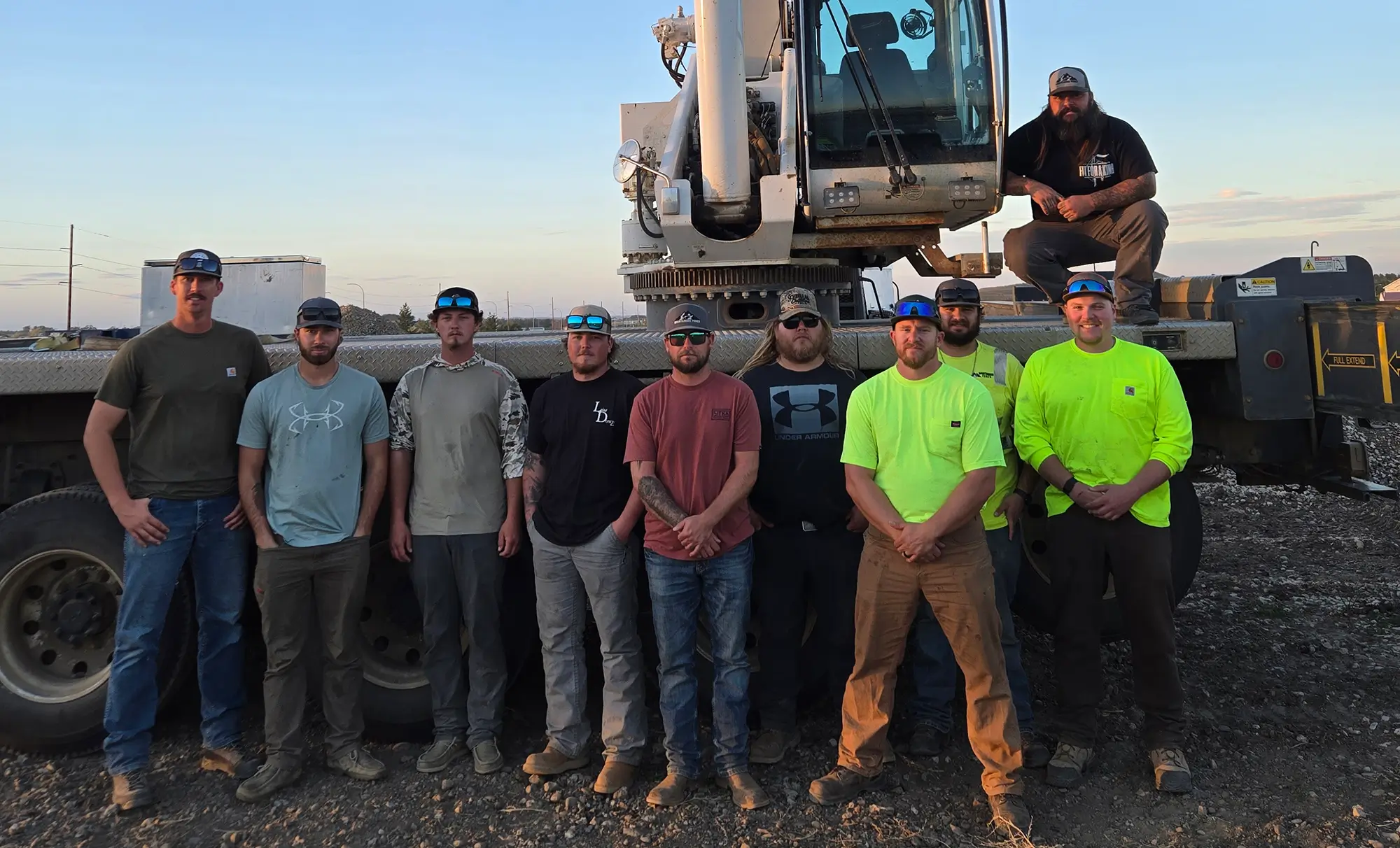
On-Site Training
On‑site training is designed for companies that have the facilities and equipment available at their own location and prefer to keep their employees onsite for logistical or operational reasons. All on‑site training requires the company to provide the crane or equipment that will be used during the training and evaluations.
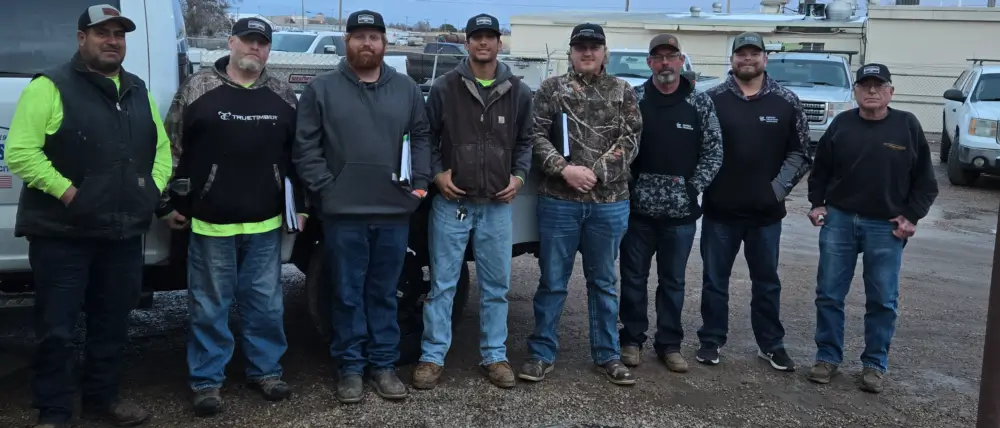
Off-Site Training
Off‑site training is intended for customers who do not have the facilities or space to conduct training at their own location. Paradise Crane Consultants will arrange a suitable rented facility; however, the company must still provide the crane or equipment needed for the training and evaluations.
Local permitting and municipal requirements
Oklahoma City uses a Revocable Permit when right-of-way is closed or otherwise obstructed for construction-related work affecting public City streets or sidewalks. The application fee is $100, effective July 1, 2025 and thereafter. The City's published fee schedule also lists a $25 charge for the specified construction-related closure or obstruction under §60-2-17(d). That charge is not a crane-operation fee. Confirm current fees with the city.
Confirm with the city whether any separate approval applies to your crane setup. Also confirm insurance limits, additional-insured requirements, lead times, traffic control and which department administers your permit before you mobilize.
Moving a crane on state highways is a separate matter. Oklahoma's size-and-weight rules address ODOT permits for oversize and overweight movement, including special mobilized machinery and rubber-tired truck cranes. The state permit covers transport only, not setup or operation at a jobsite, and it is not a City right-of-way occupancy permit.
Local industry and employment
Oklahoma County carries 497,127 covered jobs with average annual pay of $68,319 (BLS QCEW, 2025 annual average, county level). Manufacturing accounts for 24,094 jobs, or 4.8% of the total, at $78,984. Transportation and warehousing adds 22,936 jobs at $56,582. Utilities employ 1,873 at $111,371.
ODOT's amended project narrative, dated June 16, 2025, describes the I-35/I-240 bridge and interchange project in southern Oklahoma City. Phases 2–4 are planned to start construction in 2026, with full buildout anticipated by 2028.
ODOT's September 9, 2025 open house handout describes replacement of the I-40 bridges and roadway improvements at MacArthur Boulevard and Meridian Avenue, with a listed timeframe of 2025–2027.
Both are state highway projects, not City permit precedents. If your crews work on bridge or interchange sites, qualify every role on the lift, not just the operator.
Who enforces crane safety rules in Oklahoma: federal OSHA or the state?
Oklahoma does not run its own OSHA-approved State Plan, and that is the key difference. Federal OSHA covers most private-sector workers in the state, including construction, so the federal crane rule, 29 CFR Part 1926, Subpart CC (Cranes and Derricks in Construction), applies directly to private-sector crane work. The OSHA Oklahoma City Area Office is the federal office listed for Oklahoma private-sector employers and workers.
Oklahoma's separate program covers the public sector. The Oklahoma Department of Labor's Public Employees Occupational Safety and Health (PEOSH) Division administers it, and OAC 380:40-1-2(a) adopts 29 CFR Part 1926, including Subpart CC, by incorporation as currently published and as later revised. The text of that rule does not state crane-specific changes to Subpart CC; its listed exceptions address other matters, including certain definitions and general-industry provisions.
29 CFR Part 1926, Subpart CC; 29 CFR 1926.1427; OAC 380:40-1-2(a); 40 O.S. § 403(E)(2)
Is NCCER certification enough on its own?
Oklahoma's adoption rule does not state a crane-specific operator evaluation requirement beyond the federal one. Oklahoma's own training mandate is general: under 40 O.S. § 403(E)(2), covered public employers with 25 or more full- or part-time employees must provide safety classes to each type or class of employee no less than quarterly. That is a general safety-class requirement, not a crane operator credential. Confirm with the Oklahoma Department of Labor whether any state crane operator license or registration applies to your work.
The federal baseline governs operators. Under 29 CFR 1926.1427, operators must be certified by an accredited testing organization or an audited employer program. Certification is valid for five years, and the employer pays for it. The federal rule also names accreditation by a nationally recognized accrediting agency as part of the testing-organization option. Confirm which certifications your employer's program accepts. Before an operator runs covered equipment unsupervised, the employer must evaluate the operator on the assigned equipment and document it. The rule lists exceptions for derricks, sideboom cranes, and equipment rated at 2,000 pounds or less.
What does the workplace safety data show?
The U.S. Bureau of Labor Statistics Census of Fatal Occupational Injuries (CFOI) reports 73 fatal work injuries in Oklahoma in 2024.
Transportation incidents accounted for 35 of those deaths and falls, slips and trips for 13.
These figures cover all industries, not cranes specifically.
What should you verify before your next lift?
Before your next covered lift in Oklahoma, work through these checks:
- Confirm who the employer is. Private-sector crews fall under federal OSHA; state agencies, cities, counties, and public schools fall under the PEOSH program. Use OSHA's Oklahoma office page to verify private-sector coverage.
- Confirm the equipment is covered by Subpart CC, and check the listed exceptions for derricks, sideboom cranes, and equipment rated at 2,000 pounds or less.
- Confirm each operator's certification is current and fits one of the federal options. Confirm which certifications your employer program accepts.
- Confirm the documented employer evaluation for the specific equipment and hoisting activities is available at the worksite.
- Confirm with the Oklahoma Department of Labor and OSHA whether any state license or registration applies to your job.
Upcoming certification and training sessions dates
Questions
Which Oklahoma City permit applies when a crane obstructs a street or sidewalk?
A Revocable Permit applies when right-of-way is closed or otherwise obstructed for construction-related work affecting public City streets or sidewalks. Confirm with the city whether any other approval applies to your crane setup.
What does Oklahoma City's right-of-way permit cost?
The Revocable Permit application fee is $100, effective July 1, 2025 and thereafter. The City's fee schedule also lists a $25 charge for the specified construction-related closure or obstruction under §60-2-17(d). Confirm current fees with the city.
How do I set up on-site crane training for my crew?
Request a quote with your crew size, location and the equipment you run. Our instructors travel to your facility, and your company provides the crane or equipment used for training and evaluations.
What if we don't have a place to train?
We'll arrange a suitable rented facility near you. Your company still provides the crane or equipment used for training and evaluations.
How far ahead should we book training?
About a month ahead is best. If you need training sooner, call us. Shorter timelines are sometimes possible.
How is crane training priced?
Each job is quoted on crew size, location, equipment and travel.
Can operators get certified online?
No. Certification requires a hands-on practical exam on real equipment, so it can't be earned through online training. That's why we train at your site, on the equipment your crew actually runs.
Can an individual operator train without an employer?
Yes. Open-enrollment classes in Albuquerque prepare individual operators for NCCER certification.
Ready to schedule training in Oklahoma City?
Request on-site crane training in Oklahoma City, built around your crew, your equipment and your site.