Crane Operator Certification & Training in McAlester, OK
Paradise Crane has trained crane operators since 1996, for clients including the U.S. Department of Energy, Sandia National Laboratories and Los Alamos National Laboratory. We're based in Albuquerque and bring NCCER crane and rigging training to your crew, on the equipment you actually run. Individual operators can prepare for NCCER certification in our open-enrollment classes in Albuquerque.
McAlester is getting a $24 million US-69 widening near the Army Ammunition Plant, awarded by ODOT on October 8, 2026. The job includes a center turn lane and replacement of a narrow bridge.
This page covers McAlester's utility right-of-way permit, its fee, insurance and traffic-control terms, and what to confirm with the city before a crane goes in. It also covers how state highway work is handled.

Training Services Offered in McAlester
Based in Albuquerque, our instructors travel to you. Train at your own facility, or we'll arrange a rented site nearby. Either way, your crew trains on the crane they actually run.
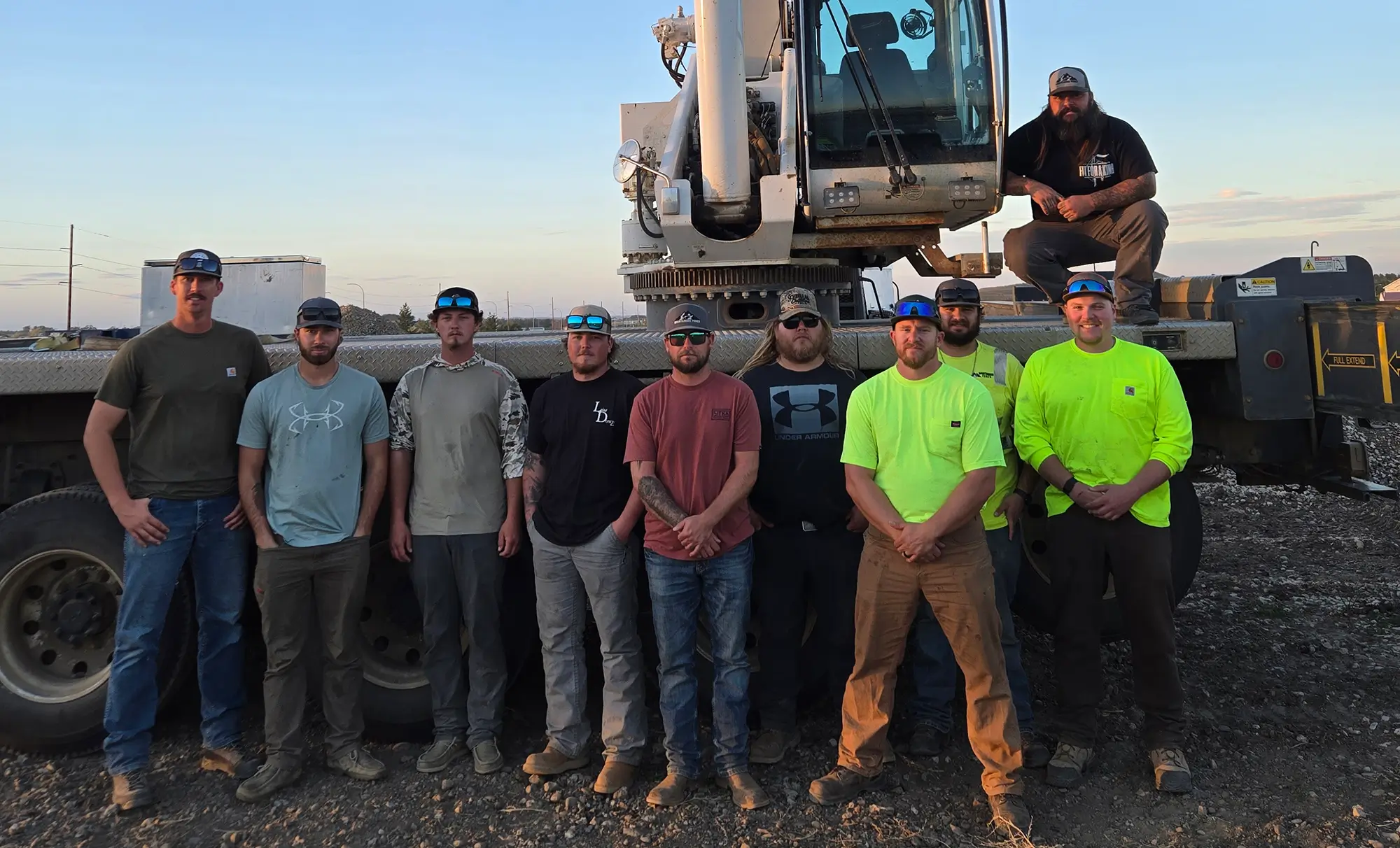
On-Site Training
On‑site training is designed for companies that have the facilities and equipment available at their own location and prefer to keep their employees onsite for logistical or operational reasons. All on‑site training requires the company to provide the crane or equipment that will be used during the training and evaluations.
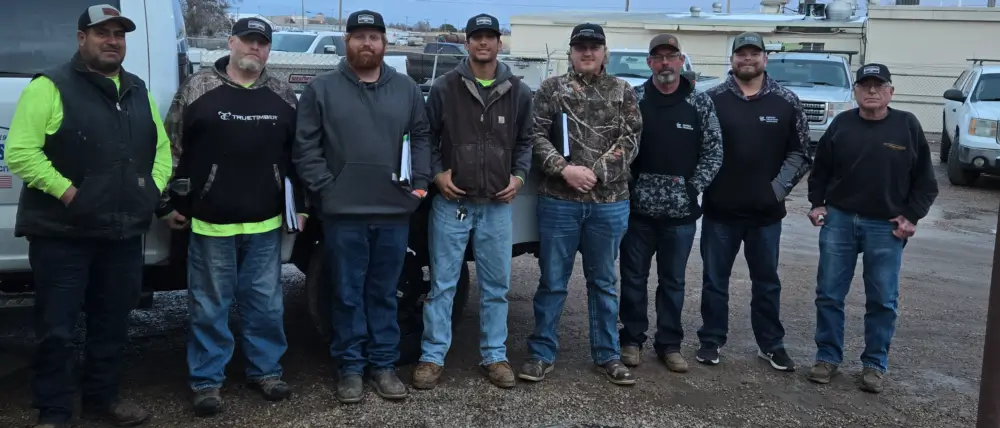
Off-Site Training
Off‑site training is intended for customers who do not have the facilities or space to conduct training at their own location. Paradise Crane Consultants will arrange a suitable rented facility; however, the company must still provide the crane or equipment needed for the training and evaluations.
Local permitting and municipal requirements
McAlester's published right-of-way rules are written for utility work. A utility ROW construction permit, set out in Ordinance 2711, must be obtained before covered work begins. No fixed advance-filing period is stated. The permit is not a stated crane or street-closure rule.
Ordinance 2711, approved March 23, 2021, sets a fee of $50 per pole or per every 100 linear feet. Confirm current fees with the city. For this permit, applicants and subcontractors must provide a certificate of adequate liability insurance, with limits conforming to the city's statutory liability under 51 O.S. §154, as amended. No numeric limit is stated. Any blockage of a traveling lane, for any period, requires a traffic-control plan under the Uniform Manual of Traffic Control Devices. State highways fall outside the city right-of-way definition. Work in ODOT right-of-way is subject to ODOT's required permits and scope-of-work approval.
Before a lift, confirm with the city whether a street closure or block application applies. Ask about fees, insurance, closure hours, equipment placement and flaggers.
Local industry and employment
Pittsburg County had 14,742 covered jobs in the BLS QCEW 2025 annual average, with average annual pay of $51,982. Manufacturing accounted for 714 of them, transportation and warehousing 492, construction 468, mining and oil and gas extraction 238, and utilities 205. Utilities paid an average of $137,289 a year.
On October 8, 2026, ODOT reported awarding a $24 million contract to widen US-69 in McAlester near the Army Ammunition Plant. The scope includes a center turn lane and replacement of a narrow bridge. The release does not name a particular crane operation.
That is a state highway project, administered by ODOT, in a county with working construction, utility, mining and manufacturing employers. If your crews lift in settings like these, qualify every role on the lift, not just the operator.
Who enforces crane safety rules in Oklahoma: federal OSHA or the state?
Oklahoma does not run its own OSHA-approved State Plan, and that is the key difference. Federal OSHA covers most private-sector workers in the state, including construction, so the federal crane rule, 29 CFR Part 1926, Subpart CC (Cranes and Derricks in Construction), applies directly to private-sector crane work. The OSHA Oklahoma City Area Office is the federal office listed for Oklahoma private-sector employers and workers.
Oklahoma's separate program covers the public sector. The Oklahoma Department of Labor's Public Employees Occupational Safety and Health (PEOSH) Division administers it, and OAC 380:40-1-2(a) adopts 29 CFR Part 1926, including Subpart CC, by incorporation as currently published and as later revised. The text of that rule does not state crane-specific changes to Subpart CC; its listed exceptions address other matters, including certain definitions and general-industry provisions.
29 CFR Part 1926, Subpart CC; 29 CFR 1926.1427; OAC 380:40-1-2(a); 40 O.S. § 403(E)(2)
Is NCCER certification enough on its own?
Oklahoma's adoption rule does not state a crane-specific operator evaluation requirement beyond the federal one. Oklahoma's own training mandate is general: under 40 O.S. § 403(E)(2), covered public employers with 25 or more full- or part-time employees must provide safety classes to each type or class of employee no less than quarterly. That is a general safety-class requirement, not a crane operator credential. Confirm with the Oklahoma Department of Labor whether any state crane operator license or registration applies to your work.
The federal baseline governs operators. Under 29 CFR 1926.1427, operators must be certified by an accredited testing organization or an audited employer program. Certification is valid for five years, and the employer pays for it. The federal rule also names accreditation by a nationally recognized accrediting agency as part of the testing-organization option. Confirm which certifications your employer's program accepts. Before an operator runs covered equipment unsupervised, the employer must evaluate the operator on the assigned equipment and document it. The rule lists exceptions for derricks, sideboom cranes, and equipment rated at 2,000 pounds or less.
What does the workplace safety data show?
The U.S. Bureau of Labor Statistics Census of Fatal Occupational Injuries (CFOI) reports 73 fatal work injuries in Oklahoma in 2024.
Transportation incidents accounted for 35 of those deaths and falls, slips and trips for 13.
These figures cover all industries, not cranes specifically.
What should you verify before your next lift?
Before your next covered lift in Oklahoma, work through these checks:
- Confirm who the employer is. Private-sector crews fall under federal OSHA; state agencies, cities, counties, and public schools fall under the PEOSH program. Use OSHA's Oklahoma office page to verify private-sector coverage.
- Confirm the equipment is covered by Subpart CC, and check the listed exceptions for derricks, sideboom cranes, and equipment rated at 2,000 pounds or less.
- Confirm each operator's certification is current and fits one of the federal options. Confirm which certifications your employer program accepts.
- Confirm the documented employer evaluation for the specific equipment and hoisting activities is available at the worksite.
- Confirm with the Oklahoma Department of Labor and OSHA whether any state license or registration applies to your job.
Upcoming certification and training sessions dates
Questions
Does McAlester's utility right-of-way permit cover a crane lift on a city street?
The published permit is a utility ROW construction permit, and its terms are written for utility work. Confirm with the city whether a street closure or block application applies to your lift.
What does the McAlester utility ROW permit cost?
Ordinance 2711, approved March 23, 2021, sets $50 per pole or per every 100 linear feet. That fee is for the utility ROW construction permit. Confirm current fees with the city, and confirm any street-closure fee with the city as well.
How do I set up on-site crane training for my crew?
Request a quote with your crew size, location and the equipment you run. Our instructors travel to your facility, and your company provides the crane or equipment used for training and evaluations.
What if we don't have a place to train?
We'll arrange a suitable rented facility near you. Your company still provides the crane or equipment used for training and evaluations.
How far ahead should we book training?
About a month ahead is best. If you need training sooner, call us. Shorter timelines are sometimes possible.
How is crane training priced?
Each job is quoted on crew size, location, equipment and travel.
Can operators get certified online?
No. Certification requires a hands-on practical exam on real equipment, so it can't be earned through online training. That's why we train at your site, on the equipment your crew actually runs.
Can an individual operator train without an employer?
Yes. Open-enrollment classes in Albuquerque prepare individual operators for NCCER certification.
Ready to schedule training in McAlester?
Request on-site crane training in McAlester, built around your crew, your equipment and your site.